The future of end-of-life wind turbines
Wind turbines typically have a technical and economic lifespan of about 20 to 25 years. When a wind farm approaches this phase, an important strategic moment arises: what is the best next step?
In fact, the end of the original useful life does not automatically mean the end of the project. In practice, there are three realistic options, depending on technology, contracts, location and owner ambitions. GreenTrust supports developers and owners in making this choice and implementing the follow-up process. This can be life extension, turbine abandonment or redevelopment.
Lifetime Extension
The first option is to extend the lifetime of existing turbines. Many turbines can technically continue to operate safely and profitably for several more years, if carefully studied. GreenTrust coordinates conducting lifetime extension studies. Within about six weeks, a wind farm can be analyzed by an independent agency and a substantiated statement about its remaining operational life will be delivered. Such a study will assess, among other things, the following:
– the technical condition of turbines and main components;
– potential weak points, such as blade bolts or structural wear;
– risks and preconditions for safe operation.
The result is not recertification, but an independent opinion on how many more years a park is likely to be able to operate. An important next step is often finding a maintenance partner, because service contracts usually end around the original design life. Here, too, GreenTrust can advise the client.
We also advise on extending land agreements and consider whether current permits can be utilized or should be modified.
Dismantling and circular demolition
When continued development or extension is not possible, dismantling follows. This too is not an end point, but a carefully manageable project phase. We coordinate the entire dismantling process: from technical preparation and contract management to sale of turbines and actual dismantling. Where possible, turbines and components are given a second life through: reuse of complete turbines, overhaul or sale of components, repurposing of materials or high-quality recycling of materials. This approach preserves as much value as possible and minimizes waste.
Redevelopment or repowering
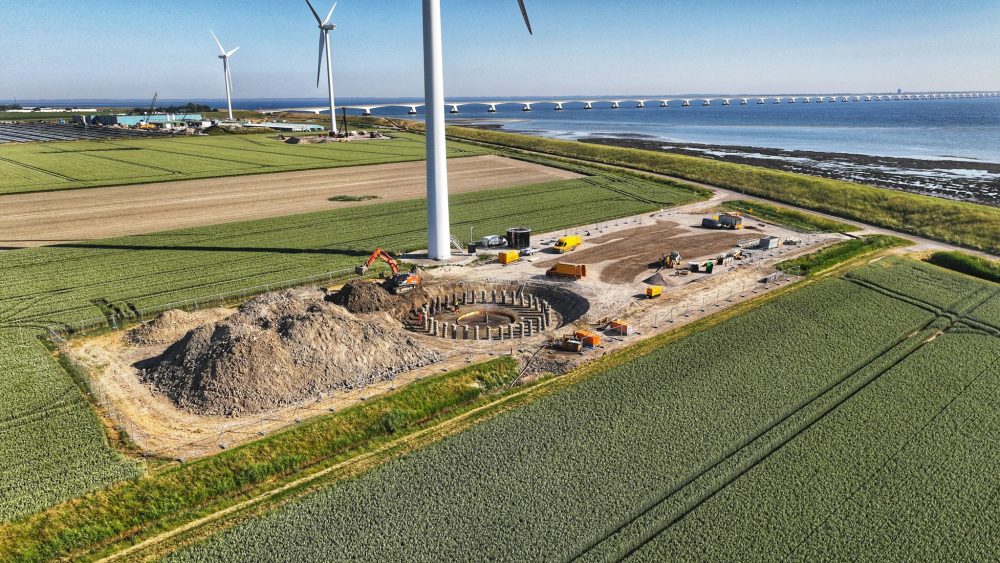
Repowering mainly involves replacing existing turbines with more modern turbines using the existing infrastructure (roads and grid connection). But it can also involve complete redevelopment. Here the entire wind farm including the surrounding area is re-examined. It is not just about replacing the turbines, but about an overall plan for the area. In this phase, we look integrally at a site’s potential and ask the question, How can energy yields be significantly increased and utilized?
New turbines often produce several times as much energy as older plants, while limiting the use of space.