A project begins with building trust
Communication is key
Long before a turbine is installed or a solar array is installed, before permits are obtained or plans are approved, something begins that can determine the success of a project. At this stage, when the project is still just an idea, the groundwork is laid for the relationship with the local community. The strength of that relationship determines whether the project will be accepted or met with resistance. Communication plays a crucial role here.
In this demanding and uncertain phase, Eva and Christine are stepping in. At GreenTrust, they are responsible for communications around renewable energy projects. As a well-matched duo, they build trust with local communities through conversations and messages. “The most important thing is to properly inform people in the local community about the project, work with local partners and build trust. That takes time,” Christine explains.
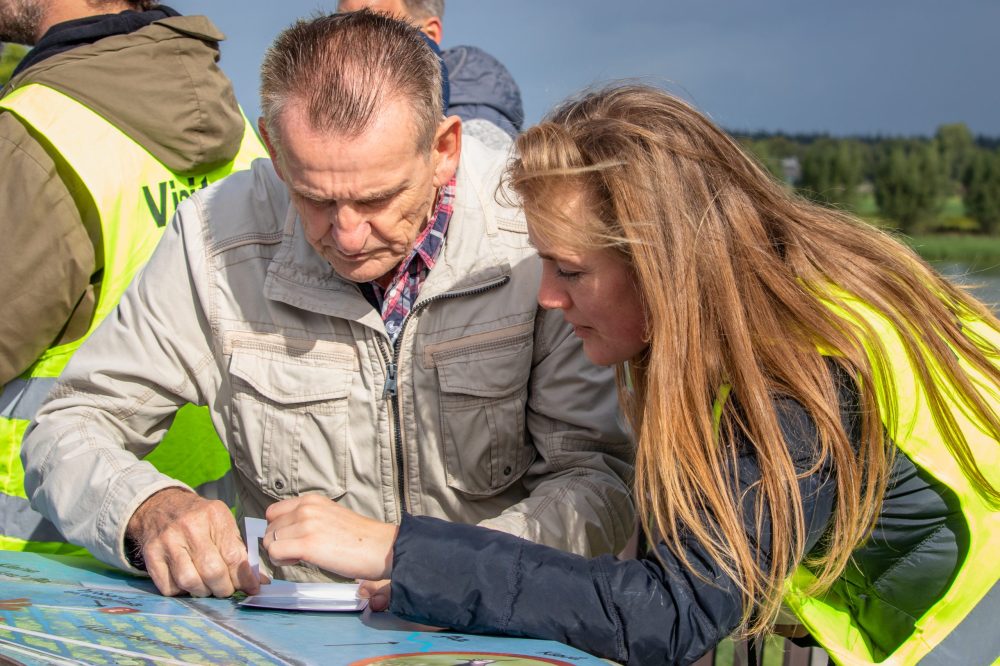
That means intensive work in the field: meetings, information sessions, letters and one-on-one conversations. “We go out, talk to people, have coffee with them and discover what is going on in the area,” says Eva. It is precisely this direct communication and personal encounters that they call the best part of their work. “It is valuable to get to know people, find common interests, share successes and also celebrate them together with the local community. It makes you feel that you are contributing to something concrete and positive for sustainable development,” they say.
Often communication takes place literally at the kitchen table, in face-to-face conversations. This approach makes it possible to build trust that is difficult to achieve through formal channels. Of course, digital means are also used: project websites, newsletters and social media. But the choice of communication channels always depends on the local context. They speak to everyone: from residents living right next to the project area to the broader community and energy cooperatives, and even to people who openly oppose the project, where communication becomes most challenging.
Perceptions and existing beliefs often prove stronger than arguments. This is exactly where their approach comes out best: open and direct, but at the same time calm enough to handle even the most difficult conversations. “Some people you simply cannot convince. You can give information, involve them in the process and present all the facts about renewable energy, but that does not mean they will change their minds. We may not convince them, but we always want to give them a chance to be part of the process,” Christine explains. Therefore, communication at this stage requires patience, empathy and a willingness to accept that some resistance will remain.
At the same time, projects often have strong advocates within the local community, as well as a large silent majority who rarely speak out. The communications team tries to reach all of these groups. “Our strategy is to be transparent and honest and involve people in shaping the project. We are not here temporarily, we are here to stay. We want to build lasting relationships, not just lasting projects,” Eva adds.
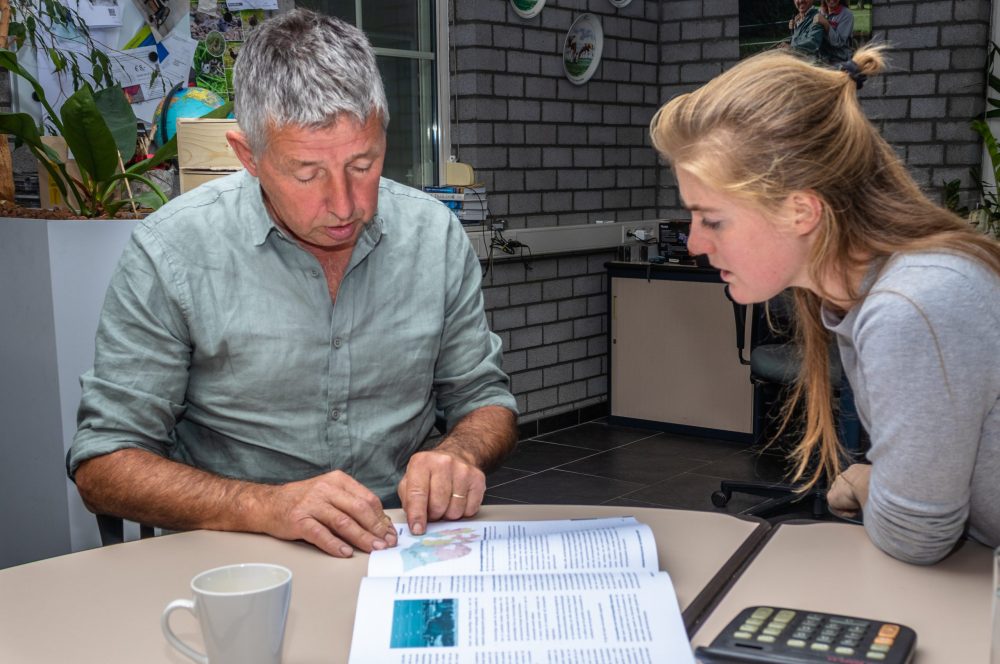
In addition to informing the local community, collaboration with energy cooperatives is an important part of the work of GreenTrust’s communications team. This gives local residents the opportunity to become actively involved in the project. Sometimes such cooperatives do not yet exist or are just at the beginning, and the team helps with their establishment and development: from organizational and legal aspects to communication with members.
Community involvement also takes place through investment campaigns that allow citizens to invest in the project. “For example, we ran a campaign where we raised about 1.5 million euros from the local community itself. People invested different amounts, and that was a strong signal of trust,” they recount. Such campaigns require ongoing collaboration with cooperatives and coordination of the entire process. “We work on the project throughout the entire process, from the initial idea and collaboration with the local community and cooperatives to financing,” they explain.
All this is done under conditions of uncertainty. The project may not yet be included in spatial plans, timelines are long and outcomes uncertain. Therefore, finding the right balance in communication is essential. If communication starts too early and too intensive, interest may wane before the project takes shape; if communication comes too late, mistrust may develop.
Communication is not a one-time activity, but runs parallel to the project from start to finish. Ultimately, the success of a project is measured not only in megawatts or installed capacity, but also in the degree to which the local community is willing to accept the project as its own. And that doesn’t happen by itself. It is the result of lengthy, patient and, above all, open conversations.
Team
Meet the GreenTrusters behind this news