Professionalization is not a side issue—it paves the way for further growth
Lieke de Ruyter De Wildt guides energy cooperatives towards a professional structure
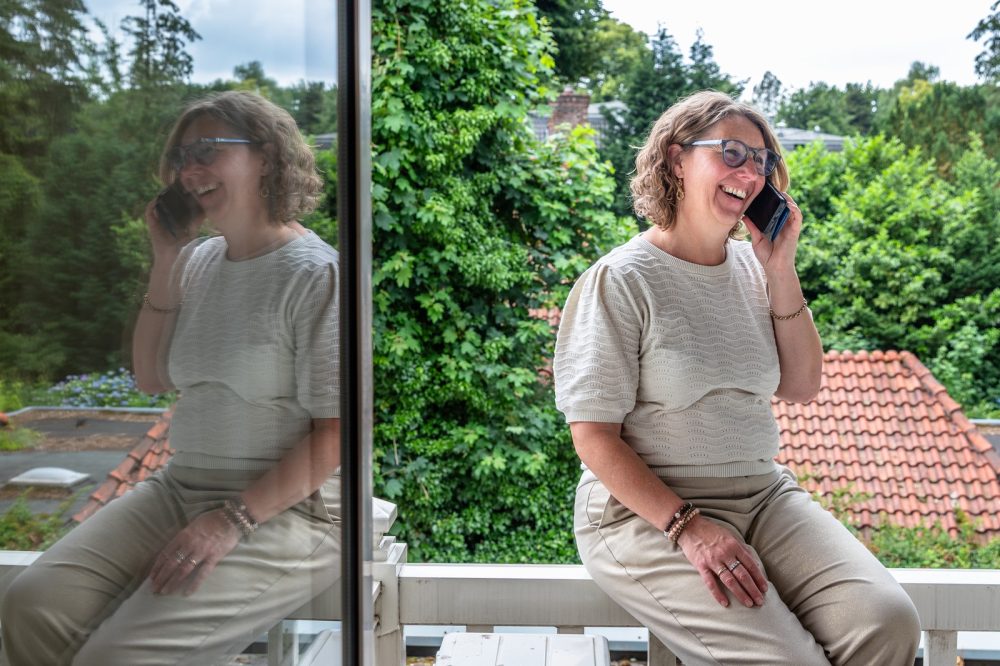
Many initiatives in the renewable energy sector start small—often driven by volunteers and a shared vision. That is precisely what makes them so strong. But what happens when those initiatives become successful and grow rapidly?
Practice shows that growth requires more than just good projects. It requires clear roles, clear processes and an organization that is ready for the next phase. And that is exactly where the challenge often arises.
Together with Lieke de Ruyter de Wildt, we look at what such a transition looks like – and what it takes to make it successful.
From initiative to organization
Many energy cooperatives and sustainable initiatives start as volunteer organizations. In the early stages, this works very well: short lines of communication, lots of involvement and a strong collective drive.
But as projects grow, the playing field changes. After all, energy transition is not just about technology or infrastructure – it is also about people, cooperation and organizational strength. And that is exactly where Lieke de Ruyter de Wildt comes in.
At GreenTrust, she combines her role as office manager with an increasing focus on HR – which now plays a central role in her work. Both within GreenTrust and in external projects, she helps organizations take that next step.
When growth overtakes structure
One of her projects shows well what that challenge looks like in practice. Lieke supports the Cooperative Peel Energie, which has developed rapidly in a short period of time, with wind farms, solar farms and energy hubs. However, that growth also brought with it a recognizable problem: the organization grew faster than the structure behind it.
Until recently, much of the work was performed by volunteers. In doing so, board members filled both strategic and operational roles. “That worked when the organization was smaller. But as we grew, it became too complex to continue to organize everything through volunteers.”
This is a tipping point that many energy cooperatives recognize: the original model is reaching its limits.
The step to professionalization
Lieke guides the organization in the transition to a professional structure – with clear roles, responsibilities and processes. Peel Energie is in the middle of this transition. There will be paid staff, roles will be more sharply defined and governance will be redesigned. Lieke plays a key role in this, including setting up a solid and future-proof HR foundation. “In short, I was hired to professionalize the organization and set up an HR program.”
That goes beyond visible things like contracts, salaries and job profiles. It is precisely the less visible side – clarity – that makes the difference. Who makes decisions? Who directs the day-to-day operations? And how are responsibilities distributed?
Board and operations apart
An important step in professionalization is the separation of board and operations. “Before, the board basically did everything. Now the board focuses on decision-making, while an operations manager is responsible for day-to-day operations.” That change creates calm, focus and better decision-making – and enables further growth.
Ready for sustainable growth
In addition to the structure, Lieke is working on what she calls the “employee journey”: a complete HR framework that includes everything from onboarding and development to offboarding. This includes internal agreements, terms of employment and mutual expectations.
The movement is clear: from informal and flexible to an organization ready for sustainable growth. “We record everything. That way people know what to expect – and what is expected of them.”
The biggest challenge: bringing people along
The biggest challenge in this process is not technical, but human. “Everyone has to move in the same direction. And that takes time, especially if people are used to working a certain way.”
This is why Lieke works intensively with the board. She prepares decisions and guides the process, but the responsibility ultimately lies with the board itself. “I can prepare everything, but they have to make the choices. Without their involvement, the change cannot succeed.”
Building the next phase
Despite the complexity, the process gives Lieke a lot of energy. That very moment – in which an organization moves from initiative to mature structure – is where her work has the most impact. “It’s nice to build something from the ground up and help an organization grow to the next stage.”
Growth requires more than technology
Lieke’s story reveals an important insight for the energy transition: Scaling up is not just about infrastructure or technology. It’s about people, processes and the way you work together.
Professionalization is thus not an afterthought of growth – it is what enables further growth.
Also working on the next step in your organization?
We help energy cooperatives professionalize their structure, processes and communication.
Contact us. Together we’ll see what we can do for you.

